
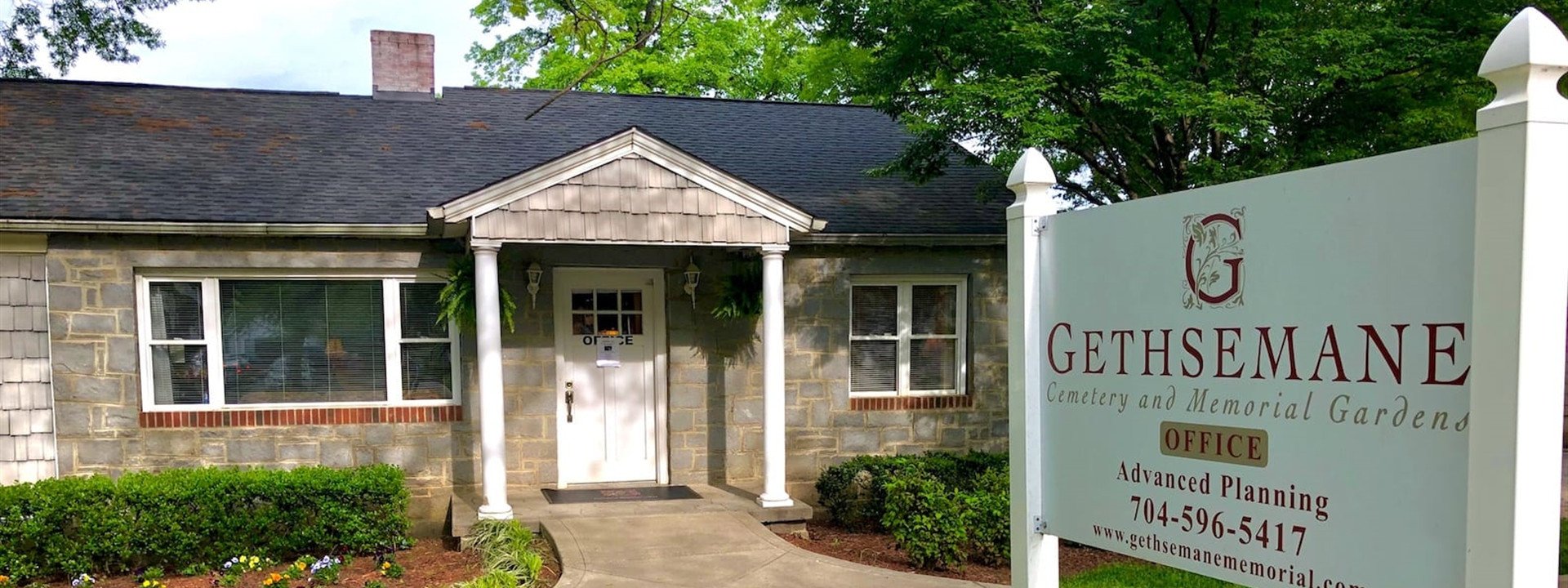
Tag Archives: Matthews NC cemeteries

Tips for Documenting Ancestral Cemeteries
Matthews, NC cemeteries hold a wealth of family history. Preserving the legacy of those who came before is a gesture of respect and a vital step in maintaining the thread of generational memory. Documenting ancestral cemeteries provides insight into lineage, strengthens family identity, and ensures that stories etched in stone are not lost to time. Whether you are beginning your genealogical journey or seeking to enhance existing records, effective documentation techniques can deepen your understanding and secure this heritage for future generations.
Begin with a Detailed Survey at the Cemetery
The first step in documenting an ancestral cemetery is conducting a thorough site survey. Walk the cemetery grounds slowly, noting the layout of graves and any distinctive landmarks such as trees, fences, or statues. Mapping the location provides a visual framework and helps connect familial relationships across plot lines. Use a notebook, camera, or mobile app to record observations. Be sure to sketch out rows and paths, particularly in older cemeteries where markers may have shifted or become obscured.
Photograph Each Marker Thoughtfully
Photographs offer an enduring way to preserve inscriptions and visual details that might erode over time. Take multiple photos of each headstone—both close-up shots of inscriptions and wider angles capturing the context of the surrounding area. Try to photograph at times when the lighting is soft (early morning or late afternoon) to avoid harsh shadows and glare. Always record the photo’s date, and ensure your camera or smartphone settings save location data when possible.
Transcribe and Interpret Cemetery Inscriptions
Reading and transcribing headstone inscriptions is a critical part of cemetery documentation. Focus on accuracy—record all information, including names, birth and death dates, epitaphs, and symbols. If parts of the text are unreadable, clearly note the damaged or obscured areas. Research common epitaph phrases or iconography, as many contain religious or cultural references that can offer further insight into the lives and beliefs of the deceased.
Utilize GPS Coordinates in Cemetery Documentation
Modern tools such as GPS can enhance the precision of your documentation. Marking exact coordinates for each grave allows for easy relocation and digital mapping. Several online platforms and mobile apps tailored to genealogical research offer ways to upload GPS-tagged data for communal preservation and sharing.
Interview Local Historians and Community Elders
Oral histories add depth and context that written records may lack. Engage with local historians, cemetery caretakers, or longtime residents of the area. Their stories may include burial traditions, changes to cemetery boundaries, or accounts of unmarked graves. These narratives can fill gaps in the historical record and provide a more complete picture of your family’s past.
Archive and Back Up Your Records
Once gathered, all your documentation—photos, maps, transcripts, and notes—should be digitized and stored in multiple formats. Consider using cloud storage alongside physical backups such as printed albums or USB drives. Organize files by family name, plot, or date to simplify future access. Sharing copies with local historical societies or genealogical groups ensures broader preservation and aids other researchers working within Matthews, NC cemeteries.
Respect the Sacredness of the Space
Remember that cemeteries are places of remembrance and reverence throughout the documentation process. Always seek permission when necessary, especially in private or church-owned burial grounds. Tread gently, never disturb headstones or remove any objects, and conduct your work with quiet respect for the lives honored in these spaces.
Integrate Findings into Family Trees
Once your records are organized, integrate the information into your broader family tree. Platforms like FamilySearch or Ancestry.com allow users to attach documents and photographs to individual profiles. This creates a richer, more vivid picture of your ancestors, connecting dates and names to physical resting places and personal histories.
Explore Historical Records and Maps
Cross-referencing your cemetery findings with historical records such as obituaries, wills, census data, and plat maps can uncover additional layers of context. Public libraries and county archives in Matthews often hold cemetery registers or town plats that detail early burial locations. These records can verify headstone data or help locate burial plots where physical markers have been lost.
Share and Celebrate Your Work
 Documenting ancestral cemeteries is not just a private endeavor—it can also be a communal act of remembrance. Share your findings with family members, historical societies, and genealogy forums. Hosting a small gathering at the site to present what you have uncovered can be both educational and emotionally meaningful. In doing so, you honor the memory of those who came before and ensure that their stories endure.
As you walk the quiet paths of Matthews, NC cemeteries, let your documentation efforts become a bridge connecting past and present. Your work will serve future generations through careful observation, respectful engagement, and thoughtful archiving.
For those seeking a peaceful and respectful place to connect with heritage, Gethsemane Cemetery and Memorial Gardens remain a trusted resource. Learn more by visiting or contacting us today.

Locating Burial Sites and Unmarked Graves: A Guide for Families and Researchers
Finding specific burial sites, particularly unmarked graves, can be challenging but deeply meaningful for families, historians, and genealogists. Whether seeking to honor a loved one’s memory or preserve local heritage, locating these sites involves research, fieldwork, and collaboration. This guide explores effective methods to identify gravesites in Matthews, NC cemeteries, shedding light on traditional approaches and modern tools supporting this journey.
Understanding the Challenges of Cemetery Grave Location
Many families discover that records can be lost, damaged, or incomplete over time. Weathered stones, natural overgrowth, and changing land use can obscure what was once clearly marked. In some cases, historical burials may never have had headstones at all. This is especially true for marginalized communities, older rural cemeteries, or those affected by periods of economic hardship.
Locating unmarked graves requires patience and a systematic approach. The most reliable results are often obtained by combining on-the-ground investigation with research through public or cemetery-held records.
Start With Historical and Public Records
Before stepping onto cemetery grounds, it is critical to collect as much information as possible:
- Death Certificates: These often list the burial place and can be obtained from the county vital records office.
- Obituaries and Newspaper Archives: Local newspapers may have published notices that include burial details.
- Funeral Home Records: If the funeral service provider is known, they may retain details about the burial.
- Church or Religious Institution Archives: Especially useful for older cemeteries affiliated with a particular congregation.
- Census and Land Ownership Records: These documents may hint at family burial plots on private land or in less formal burial areas.
Cross-referencing this information can help narrow the burial location and confirm family names or connections.
Onsite Investigation and Cemetery Resources
The next key step is visiting the cemetery. Many Matthews, NC cemeteries maintain plot maps or burial registries. Inquire the cemetery office or groundskeeper about accessing these records. Walk the grounds systematically, noting headstones, family names, and grouping patterns that could indicate family plots.
When investigating unmarked graves, note depressions in the ground, variations in vegetation, or stones used as informal markers. These may indicate burial locations even in the absence of a formal headstone.
Using Ground-Penetrating Radar and Mapping Tools in Cemeteries
Technological advancements have made it easier to locate unmarked graves:
- Ground-penetrating radar (GPR): This noninvasive tool can detect changes in soil composition, helping identify buried remains without disturbing the ground. Professional archaeologists and forensic teams often use GPR surveys.
- GPS Mapping and Digital Plotting: Modern cemeteries increasingly use digital platforms to plot grave locations, which can be shared with families.
- Mobile Apps and Cemetery Databases: Websites like Find a Grave or BillionGraves allow users to search for known burials and contribute to crowd-sourced mapping projects.
In some cases, partnering with a historical society or university may offer access to specialized tools or volunteer teams experienced in grave identification.
Ethical and Legal Considerations
When locating unmarked graves, especially on private or undeveloped land, proceeding with respect and legal clarity is essential. Always obtain permission before entering private property or conducting any kind of scanning or excavation. Many states, including North Carolina, have laws protecting burial sites, regardless of their visibility or condition.
Cultural sensitivity is paramount. For example, graves from underrepresented communities or those linked to historical injustices deserve particular care and engagement with descendant communities or stakeholders.
Preserving Found Gravesites for Future Generations
Once a burial site is identified, it is essential to document and preserve the location. This can include:
- Photographing the site
- Noting GPS coordinates
- Recording oral histories from community members
- Reporting the discovery to the appropriate cemetery authority or historical registry
These actions contribute to long-term preservation and may even result in a formal marker being placed to commemorate the individual or family buried there.
Closing Thoughts
 Locating burial sites and unmarked graves is a journey that blends emotion, history, and meticulous research. Whether undertaken by families seeking closure or historians preserving local heritage, the effort strengthens our collective memory and honors those who came before. For those exploring such efforts within Matthews, NC cemeteries, trusted guidance and record-keeping can make a meaningful difference.
To learn more or begin locating a loved one’s resting place, contact Gethsemane Cemetery and Memorial Gardens, where compassionate professionals can assist with navigating the journey of remembrance.

Exploring Public Records and Cemetery Databases in Matthews, NC Cemeteries
In today’s digitally connected world, historical and genealogical research has become more accessible than ever. A growing area of interest for both family historians and local researchers is the use of public records and cemetery databases, particularly within Matthews, NC cemeteries. These resources play a vital role in preserving community heritage, honoring the departed, and offering insights into the lives of previous generations.
Public records and cemetery databases serve as a bridge between the past and the present. They allow individuals to trace lineage, confirm family connections, and even gain context about regional development through burial patterns and historical records. Cemeteries become silent storytellers in towns like Matthews, where local history is rich and deeply rooted, and their data is invaluable.
The Role of Public Records in Cemetery Research
Public records related to cemeteries can include death certificates, burial permits, grave ownership documents, and interment registers. Local or county governments typically maintain these records, which are often available through municipal offices or online databases. In Matthews, local government archives and public health departments may hold pertinent documentation that helps families locate and verify the resting places of loved ones.
These documents provide more than just names and dates. They often include biographical details such as place of birth, occupation, next of kin, and cause of death. This additional context can be essential for those piecing together family trees or researching the lives of historical figures associated with the area.
The Evolution of Cemetery Databases
Cemetery databases have advanced from simple paper logs to robust digital platforms. These modern systems allow users to search for individuals by name, birth and death dates, and even plot locations. Many of these databases now include photographs of headstones, obituaries, and GPS mapping features that enhance the search experience.
The digitization of these records has empowered people locally and across the country to connect with their heritage. Whether someone is a Matthews resident or a distant relative looking for ancestral ties, these tools provide immediate access to records that were once confined to physical archives.
Benefits for Families and Researchers
The availability of cemetery data offers families peace of mind, ensuring that the memory of their loved ones is preserved and accessible. For researchers, these databases serve as a cornerstone for broader historical inquiries. They may help illuminate migration patterns, local demographics, and even the impacts of significant historical events such as epidemics or wars on the community.
Incorporating cemetery data into sociological and genealogical studies benefits students and academics. By analyzing the information found in Matthews, NC cemeteries, they can better understand community structures, religious affiliations, and societal changes over time.
How Local Cemeteries Support Access to Records
Many cemeteries in the Matthews area are diligently maintaining and updating their records. They recognize the importance of making this information available to the public, both as a community service and as a contribution to the region’s historical preservation.
In recent years, there has been a push toward improving accessibility, with some cemeteries collaborating with historical societies and digital archives to make their data searchable online. These partnerships help ensure that Matthews, NC cemeteries continue to serve as places of remembrance and vital repositories of local history.
Preserving Legacy Through Technology
 Technology has transformed how we interact with cemetery records. Smartphone apps, QR codes on headstones, and online memorial pages allow for interactive experiences that were once unimaginable. These advancements do not replace traditional remembrance but enhance it by providing enduring access to personal and historical narratives.
As younger generations grow more tech-savvy, the expectation for digital access to cemetery records will continue to rise. Local cemeteries that embrace this transition are likely to foster stronger community engagement and ensure that the memories they hold remain vibrant and relevant for decades to come.
Final Thoughts
For those with ties to Matthews, NC cemeteries, public records, and cemetery databases offer an invaluable resource for reconnecting with heritage, honoring past generations, and uncovering stories that might otherwise be lost to time. These tools empower individuals to preserve personal history and contribute to the community’s collective memory.
To learn more about how cemetery records are preserved and accessed in the Matthews area, contact Gethsemane Cemetery and Memorial Gardens, where honoring legacy is a guiding principle.

Interpreting Symbols and Inscriptions on Tombstones
In Matthews, NC cemeteries, tombstones serve as lasting tributes to the individuals they commemorate. These markers often feature more than names and dates—they are filled with carefully chosen symbols and inscriptions with deep meaning. Interpreting these elements can reveal unique insights into a person’s beliefs, values, and the life they lead. By closely examining these often-overlooked details, families and visitors alike can uncover hidden stories embedded in stone.
The Language of Symbols
Tombstone symbolism has been a meaningful part of memorial design for centuries. While styles and trends may evolve, specific motifs have endured due to their universal resonance. For instance, a lamb frequently seen on children’s headstones symbolizes innocence and purity. A dove may signify peace or the Holy Spirit, especially on the graves of individuals of Christian faith.
Another common element is hands, which may be shown pointing upward (representing ascension to heaven) or clasped together, indicating a farewell or a reunion in the afterlife. Wheat sheaves, often carved with fine detail, typically represent a life completed, particularly for those who passed in old age.
These images are not arbitrary; they are chosen carefully to reflect the person’s values or legacy. Understanding their meanings helps build a richer connection with the past, and the people remembered.
Religious and Spiritual Markings
Religious identity frequently guides the symbolism seen on tombstones. Crosses, for example, are found in many Christian graves, representing faith and resurrection. The Star of David marks Jewish burials, symbolizing divine protection and identity. Occasionally, more personal symbols appear, such as a Bible or rosary beads, denoting devotion and spiritual life.
While these religious symbols are widely recognized, others are more unique to the individual. A crown might point to triumph over death or reference a favorite passage of scripture. A lighthouse could symbolize guidance or safe passage, especially among seafarers or those with a deep connection to guiding others.
Personal Inscriptions and Epitaphs
Beyond visual symbols, the words etched into a tombstone carry tremendous emotional and historical weight. Some traditional epitaphs offer phrases like “Beloved Mother” or “Gone but Not Forgotten.” Others quote religious texts, poetry, or favorite sayings that capture the individual’s character or legacy.
Family members often select inscriptions that speak to the values their loved one lived by or the impact they made. A line of scripture may suggest faithfulness, while a poetic verse could evoke the beauty of a well-lived life. These choices help ensure that memory is preserved with authenticity and meaning.
Floral Motifs and Nature Imagery
Nature is another frequent source of inspiration in memorial symbolism. Roses, for example, are commonly used to reflect love, beauty, or the brevity of life. The number of petals or the presence of thorns may also carry subtle meanings. Lilies symbolize purity and resurrection, while ivy represents immortality and eternal life.
In Matthews, NC cemeteries, local flora may inspire custom designs, creating a regional touch that blends natural beauty with personal remembrance. Flowers carved in stone offer a gentle, enduring reminder of love and connection.
Occupation and Life Tribute Symbols
Some tombstones feature imagery related to a person’s occupation or life achievements. A hammer and anvil signify a blacksmith; a book might honor a teacher or scholar. Veterans are often memorialized with insignia reflecting their service branch or honors received.
These symbols tell part of a person’s story, celebrating who they were and what they contributed. When paired with thoughtful inscriptions, they create a fuller portrait that resonates with future generations.
Local Context and Historical Trends
 As one visits Matthews, NC cemeteries, patterns begin to emerge. Certain symbols and phrases become more common in specific eras. Victorian-era headstones, for example, often feature weeping willows and draped urns, reflecting a formal and poetic approach to mourning. Modern memorials favor cleaner lines and more personalized messages.
The evolution of tombstone design tells a story of individuals and the community as a whole. Styles reflect shifting societal values, regional traditions, and advancements in carving techniques. Exploring these details offers a unique lens into local heritage and collective memory.
A Reflection of Legacy
Reading tombstones is not just an exercise in symbolism—it is a way of honoring life. Every element, from iconography to inscription, has been chosen carefully to communicate who a person was and what they meant to those around them. The next time you walk through one of the Matthews, NC cemeteries, pause to take in the language of stone. You may find that these silent markers speak volumes.
To explore how modern memorials continue to honor tradition while embracing personalization, Gethsemane Cemetery and Memorial Gardens in Matthews offers a setting where legacy and symbolism live side by side.

How Cemeteries Support Genealogical Research
Tracing family history is a meaningful way to connect with the past, uncover ancestral stories, and preserve legacies. One of the most valuable yet often overlooked resources for genealogy is cemeteries. In Matthews, NC cemeteries, gravestones, burial records, and family plots provide critical information for researchers. These resting places hold details that may not be found in official documents, making them an essential part of genealogical research.
Cemetery Gravestones as Historical Records In Genealogical Research
Gravestones serve as lasting tributes and valuable sources of genealogical data. They often include:
- Names and dates – Birth and death dates help confirm timelines in family trees.
- Family relationships – Many headstones mention spouses, parents, and children.
- Maiden names – These are crucial for tracing maternal ancestry.
- Epitaphs and symbols – Inscriptions can reflect religious beliefs, military service, or personal values.
- Birthplaces – Some gravestones include locations, helping researchers trace ancestral roots.
Researchers can visit cemeteries in person or use online databases to access photographs and transcriptions of gravestones, preserving details that may fade over time.
How Burial Records and Cemetery Archives Fill the Gaps
Cemeteries often maintain records beyond what is visible on gravestones. These archives may contain:
- Exact burial locations – Helpful for identifying family plots and nearby relatives.
- Interment dates – Providing insight into timelines and life events.
- Family connections – Listing next of kin or relatives buried nearby.
- Funeral records – Offering additional biographical details.
Contacting cemetery offices or searching online databases can help researchers access this vital information.
Family Plots and Lineage Connections
Many families choose to be buried together, creating clusters of graves that reveal relationships. Family plots can help genealogists:
- Identify connections between multiple generations.
- Discover unknown relatives buried in the exact location.
- Recognize burial patterns linked to historical events such as wars or epidemics.
By studying these groupings, researchers can better understand family structures and social history.
Military and Veterans’ Burials
Cemeteries often include designated sections for veterans or unique markers indicating military service. These headstones provide details such as:
- Service branch and rank – Confirming an ancestor’s role in the military.
- War participation – Indicating involvement in historical conflicts.
- Military awards – Some markers highlight honors received.
Researchers can cross-reference this information with military archives to build a more complete profile of an ancestor’s service history.
Religious and Ethnic Heritage
Cemeteries often reflect cultural and religious backgrounds, offering insight into ancestry through:
- Religious symbols and inscriptions – Indicating faith traditions.
- Designated burial sections – Some cemeteries have areas for specific religious or ethnic groups.
- Foreign-language epitaphs – Suggesting origins from other countries.
These details can help genealogists understand their ancestors’ cultural heritage and traditions.
Cemetery Research Tips for Genealogists
- Visit the Cemetery in Person – Walking through a burial ground can reveal unexpected family connections. Take photographs and note nearby names, as relatives are often buried nearby.
- Search Cemetery Archives – Many cemeteries maintain detailed records beyond what is inscribed on gravestones. These records can provide information on burial plots, ownership, and even causes of death.
- Utilize Online Resources – Many Matthews, NC cemeteries are now in digital databases. Websites dedicated to genealogy often have indexed cemetery records, making remote research easier.
- Consult Local Historical Societies – Libraries and historical societies often have cemetery maps, old newspapers, and other local records that can assist in building a complete family history.
- Look for Obituaries and Death Certificates – These documents can verify burial locations and provide additional biographical information.
Cemeteries as a Link to Family History
Cemeteries offer more than just names and dates; they tell stories of past generations. They provide a tangible link to ancestors, allowing descendants to walk the same paths and honor family legacies. By preserving burial records and maintaining grave markers, cemeteries continue supporting genealogical research for years.
For those exploring family history, Gethsemane Cemetery and Memorial Gardens provide a peaceful setting where generations are remembered. Whether searching for a specific ancestor or uncovering broader family connections, Matthews, NC cemeteries remain vital in understanding personal heritage.

Seasonal Cemetery Traditions and Celebrations That You Should Know
Cemeteries are more than places of rest; they are spaces where families and communities gather to remember and honor loved ones. Throughout the year, different seasons bring a variety of meaningful traditions that reflect cultural and spiritual connections to those who have passed. In Matthews, NC cemeteries, families observe traditions ranging from patriotic tributes on Memorial Day to global celebrations like Qingming and All Saints’ Day. These practices provide comfort, reflection, and a way to keep memories alive across generations.
Some of the Common Cemetery Traditions and Celebrations
Spring: Qingming Festival and Memorial Day
Spring is a time of renewal, making it a meaningful season for cemetery visits and remembrance traditions. Families often take this opportunity to clean grave markers, plant flowers, and quietly reflect.
One of the most significant spring traditions is the Qingming Festival, also known as Tomb-Sweeping Day, which is observed in Chinese communities. This annual event, typically held in early April, involves families visiting cemeteries to clean ancestral graves, present offerings such as food and incense, and pay respects through prayers. Qingming is a time to honor ancestors while strengthening family bonds.
In the United States, Memorial Day is a major observance in late May dedicated to honoring military personnel who have lost their lives in service. Many cemeteries in Matthews, NC, host ceremonies that include flag placements, wreath-laying, and moments of silence. Families often visit gravesites to leave flowers and small flags as a tribute to their loved ones who served in the armed forces.
Summer: Personal Tributes and Family Gatherings
During the summer, longer days and warmer weather encourage families to visit cemeteries for personal remembrance and reflection. Some communities hold reunions where multiple generations gather to share memories, tell stories, and celebrate the lives of their ancestors.
In some cultures, lantern-lighting ceremonies symbolize guidance for the spirits of the departed. In Japan, Obon is an annual Buddhist festival observed in July or August, during which families welcome the spirits of their ancestors back home. This significant custom includes traditional dances, candle-lit floating lanterns, and visits to cemeteries. While primarily celebrated in Japan, Obon events also occur in various locations worldwide, including parts of the United States.
Autumn: Día De Los Muertos and All Saints’ Day
Autumn is rich with traditions centered around remembrance. One of the most well-known is Día De Los Muertos (Day of the Dead), celebrated primarily in Mexico and Latin American communities on November 1st and 2nd. Families visit cemeteries to decorate graves with marigolds, candles, and personal offerings. They often spend time at the gravesites, sharing food, music, and stories as a way to honor their loved ones joyfully and reflectively.
Similarly, All Saints’ Day and All Souls’ Day, observed on November 1st and 2nd in Christian traditions, encourage visits to cemeteries to light candles, leave flowers, and pray for the deceased. These observances are particularly significant in Catholic and European communities, where cemeteries become illuminated with candles in a beautiful remembrance display.
Winter: Holiday Memorials and Wreaths Across America
Winter can be a challenging time for grieving but also brings moments of reflection and commemoration. Many cemeteries hold holiday remembrance services, allowing families to honor their loved ones during a season that emphasizes togetherness.
One meaningful winter tradition is Wreaths Across America, an event in which volunteers place evergreen wreaths on the graves of veterans at cemeteries across the country in December. This tribute serves as a reminder of the sacrifices made by military personnel.
Additionally, some cultures observe Yule and Winter Solstice remembrance traditions, such as lighting candles or leaving offerings at grave sites to symbolize the return of light and the continuation of life.
Keeping Cemetery Traditions Alive in Matthews, NC
 From the Qingming Festival in spring to Día de los Muertos in autumn and candle-lit winter ceremonies, seasonal cemetery traditions offer meaningful ways to honor and remember those who have passed. Whether through patriotic observances like Memorial Day, cultural celebrations like Obon, or religious traditions like All Saints’ Day, these practices ensure that memories endure for generations.
For those seeking a peaceful place to commemorate their loved ones, Matthews, NC cemeteries provide a setting where these traditions can be embraced. Gethsemane Cemetery and Memorial Gardens welcomes families to visit and participate in these seasonal customs. To learn more, contact us today!

Guidelines for Photographing in Cemeteries
Cemeteries are places of deep reflection, remembrance, and history. Many professional and amateur photographers are drawn to these spaces for their peaceful atmosphere, striking monuments, and the emotional depth they convey. However, capturing images in such a setting requires sensitivity, respect, and understanding of ethical and legal considerations. Whether you are documenting historical headstones, capturing the beauty of a sunset over a cemetery landscape, or simply exploring creative compositions, following proper guidelines ensures that your presence remains unobtrusive and respectful. In places like Matthews, NC cemeteries, these guidelines are especially critical to maintaining the space’s dignity.
Here are Some Guidelines When Taking Cemetery Pictures
Understand Cemetery Rules and Regulations
Each cemetery has its own set of rules regarding photography. Some may require permission for professional shoots, while others may restrict certain types of photography altogether. Before bringing your camera, check with cemetery staff or look for posted guidelines. Some locations may allow casual photography but prohibit commercial use without prior authorization.
Respect for the Departed and Their Families
Cemeteries are, first and foremost, places of mourning and remembrance. If visitors are paying their respects, give them space and avoid intruding on their private moments. Never take photos of grieving individuals, funeral services, or personal memorial items without explicit permission. Even when photographing gravesites without people present, remember inscriptions and symbols, ensuring they are not misrepresented or misused.
Be Mindful of Composition and Perspective
While cemeteries offer unique visual elements such as ornate headstones, statues, and scenic pathways, you must consider how you frame your shots. Avoid stepping on graves, and be cautious about where you position yourself to take a photo. Use natural light to enhance the mood without disturbing the environment with artificial flashes, which may be seen as intrusive. If you take close-up shots of inscriptions, consider the emotional weight behind the words and how they will be presented in your final work.
Avoid Altering the Environment
Resist the temptation to move flowers, decorations, or other items placed by loved ones to create a more aesthetically pleasing composition. These items hold deep significance, and disturbing them can be seen as disrespectful. Additionally, avoid using tripods or equipment that may damage the grass or pathways, especially in older cemeteries where the ground may be fragile.
Follow Legal and Ethical Guidelines
While public cemeteries generally allow photography for personal use, private cemeteries may have stricter policies. If you plan to publish or use your images commercially, it is always best to seek permission. Some cemeteries have copyright policies regarding their monuments or require written approval before sharing photos publicly. When in doubt, contact the cemetery office for clarification.
Engage with the History and Stories
Many cemeteries are rich in history, with gravestones marking the lives of individuals from different eras. If you are photographing historical graves, take the time to learn about the people buried there. Some cemetery organizations offer guided tours that provide insight into the lives behind the names and dates. Adding historical context to your photography can make your work more meaningful and respectful.
Showcase the Beauty Without Exploitation
 It is possible to capture the serenity and beauty of a cemetery without turning it into a spectacle. Avoid overly dramatic edits that distort the true nature of the space or make it seem eerie in a way that disregards its purpose as a place of rest. Instead, focus on natural beauty—sunlight filtering through the trees, the elegance of aged stonework, or the peaceful arrangement of memorial gardens.
Conclusion
Photographing cemeteries requires a balance of artistic expression and deep respect for the setting. By following permission, composition, and ethical responsibility guidelines, you can create images that honor the history and emotional significance of these sacred spaces. If you want to explore Matthews, NC cemeteries for photography or personal reflection, always remember to be mindful of those who rest there and the families who visit.
For those interested in learning more about local cemeteries or visiting a peaceful memorial space, Gethsemane Cemetery and Memorial Gardens offers a serene environment that welcomes respectful visitors.

Common Superstitions About Matthews, NC Cemeteries
Cemeteries have long been a source of mystery and fascination, inspiring countless superstitions and folklore over the centuries. These myths often reflect humanity’s attempt to understand and come to terms with the inevitability of death. Even in many Matthews, NC cemeteries, some of these beliefs persist, passed down through generations, or whispered as cautionary tales. Let us explore some of the most common superstitions about cemeteries and consider the truths and traditions behind them.
Here’s a List of Common Superstitions about Cemeteries
Superstition #1: Walking Across Graves Brings Bad Luck
One of the most widespread superstitions is that stepping directly on a grave invites terrible luck or even disrespect to the deceased. This belief likely stems from the idea that a grave is a sacred ground, and stepping on it is seen as violating that sanctity. While it is a common practice to tread carefully and show respect, most people observe this not out of fear but as a sign of reverence for those who have passed. Modern cemeteries, with clearly marked headstones and walkways, make navigating respectfully while honoring loved ones easy.
Superstition #2: Cemeteries Are Always Haunted
Perhaps the most popular and enduring superstition about cemeteries is that they are inherently haunted. This belief is fueled by ghost stories, movies, and folklore suggesting that spirits linger where their bodies are buried. While cemeteries can feel eerie, especially at night, many visitors describe them as places of peace and reflection rather than fear. The notion of hauntings is more a product of imagination and cultural storytelling than reality.
Superstition #3: Holding Your Breath While Passing a Cemetery
Many people have heard the superstition that holding your breath while passing a cemetery protects you from evil spirits or prevents terrible luck. The origins of this belief are unclear, but some suggest it stems from the idea of avoiding the spirits of the dead. Of course, it is not physically necessary or scientifically valid, but traditions like these can be fun or lighthearted ways to engage with folklore.
Superstition #4: Cemeteries Are a Portal Between Worlds
Another superstition is the idea that cemeteries act as a gateway between the world of the living and the world of the dead. This belief often appears in myths and legends, where cemeteries are described as liminal spaces where spirits cross over. While this idea is captivating, cemeteries are typically seen as places of remembrance and solace, serving families and communities as they honor the lives of those who have passed on.
Superstition #5: Flowers and Personal Items Can Protect the Deceased
Historically, people have placed flowers, personal belongings, or keepsakes on graves as part of burial traditions. While some believe these items protect the deceased from harm in the afterlife, the practice is more often a gesture of love, respect, and connection to the departed. Adding flowers or other tokens serves as a way to celebrate the life and legacy of those who have passed.
 Superstition #6: Midnight Visits Are Dangerous
Many individuals are wary of visiting cemeteries at night, often citing superstitions about ghosts or harmful energies. This belief likely arises from the natural human fear of darkness and the unknown rather than any actual danger. Visiting a cemetery at night can feel unsettling because of the quiet and solitude, but cemeteries remain safe and peaceful at all hours. If you are interested in nighttime visits, consider going with a group to feel more comfortable.
Superstition #7: The First Burial in a Cemetery is Unlucky
There is an old superstition suggesting that the first person buried in a cemetery is destined to become its “guardian spirit,” watching over the others. This belief may have originated from cultural ideas about spirits and their responsibilities in the afterlife. Today, most people do not think of this as more than an intriguing story, but it highlights how deeply people have tied spiritual significance to burial grounds.
Why Cemeteries Hold a Special Place in Communities
Superstitions about cemeteries often reflect deeper cultural and emotional needs. They provide comfort, enforce social norms about respect, or allow people to feel a connection to something greater than themselves. While these myths and beliefs are fascinating, cemeteries are primarily places of remembrance, history, and reflection. In Matthews, NC cemeteries, these spaces serve as serene environments where families and loved ones can honor those who have passed.
Gethsemane Cemetery and Memorial Gardens provide a tranquil setting for those seeking a meaningful place to visit, remember, and reflect. Whether you are drawn to these spaces by history, personal connection, or curiosity about their traditions, cemeteries offer an enduring link between the past and the present.

Cultural Differences in Mourning and Burial at Matthews, NC Cemeteries
Mourning and burial practices offer profound insight into how communities around the world honor their loved ones. These rituals are deeply tied to cultural beliefs, traditions, and values, shaping how individuals commemorate the lives of those they have lost. Matthews, NC cemeteries reflect a diverse range of customs, providing spaces where people from all walks of life can uphold their unique traditions.
Rituals Reflecting Cultural Identity
Burial traditions often vary widely based on regional and cultural norms. For example, some cultures emphasize elaborate ceremonies to ensure the deceased transitions peacefully into the afterlife, while others prefer more intimate and modest gatherings. In many Asian cultures, rituals may include offerings and prayers to ancestors, symbolizing an enduring connection with those who have passed. Alternatively, some Western traditions focus on the collective mourning experience through eulogies and memorial services.
The selection of burial methods and grave markers can also reflect cultural values. For instance, Jewish traditions often include simple headstones with inscriptions in Hebrew, while Islamic customs may avoid ostentatious displays, focusing instead on simplicity and humility. Such differences highlight the importance of cemeteries as spaces that adapt to the needs of their local communities.
The Role of Religion in Burial Practices
Religious beliefs significantly influence how individuals and families approach burial and mourning. For Christians, burial is often seen as a way of honoring the body as a sacred vessel, with funerals serving as an opportunity to celebrate the hope of resurrection. Similarly, Islamic traditions require swift burials aligned with specific prayers and rites, demonstrating respect for the deceased and their journey into the next life.
In Hindu customs, burial may be less common than other forms of interment, reflecting theological views on the body and soul. These differences underscore how Matthews, NC cemeteries cater to varied religious and cultural requirements, ensuring each individual’s spiritual needs are respected.
Modern Trends in Honoring Traditions
While traditional practices continue to play a significant role, modern trends are reshaping how people mourn and memorialize their loved ones. Globalization has led to the blending of customs, where families often integrate elements from different cultures to create personalized ceremonies. Additionally, environmental considerations are influencing how people approach burials, with some choosing eco-friendly options that align with their beliefs about sustainability.
Cemeteries in regions like Matthews, NC, are increasingly accommodating such evolving preferences, offering services that respect heritage while meeting contemporary needs. This ensures that mourning remains a deeply personal experience rooted in a family’s cultural background and spiritual convictions.
Conclusion
 Cultural differences in mourning and burial practices underscore the diverse ways people honor the lives of those they have lost. Matthews, NC cemeteries serve as essential community spaces where individuals can express their unique traditions and preserve their heritage. These practices connect the living and the departed through religious rites, cultural ceremonies, or evolving trends in meaningful and enduring ways.
To learn more about how Gethsemane Cemetery and Memorial Gardens supports families in Matthews, NC, during these challenging times, feel free to visit or contact our team today.

Respectful Behaviors to Observe in Matthews, NC Cemeteries
Visiting cemeteries is a time-honored tradition that allows individuals to pay respects to the departed and reflect in a serene environment. Matthews, NC cemeteries serve as sacred spaces where respectful behavior is paramount. Adhering to proper cemetery etiquette ensures that these grounds remain tranquil and honor both those who rest there and their visiting loved ones.
Vital Cemetery Etiquette to Consider
Cemetery etiquette encompasses behaviors that show respect for the deceased and consideration for other visitors. Key aspects include:
Maintain Silence and Reverence
Silence is golden in cemeteries. It allows visitors to reflect and pay their respects without disturbance. Speaking in hushed tones and keeping noise to a minimum honors the memory of those laid to rest.
Appropriate Attire
Dressing modestly is advisable to show respect for the sanctity of the grounds and other mourners present.
Respect Personal Space
Each grave represents a personal story and a family’s cherished memories. Maintaining a respectful distance from gravesites is essential, as well as ensuring that personal space is honored.
Supervising Children and Pets:
If children are present, ensure they understand the importance of behaving calmly and respectfully. If allowed, pets should be leashed and controlled at all times.
Follow Cemetery Guidelines
Every cemetery, including those in Matthews, NC, has specific guidelines to ensure the preservation of the grounds. Adhering to these rules helps maintain the beauty and order of the cemetery space.
Be Mindful of Decorations
While it is expected to leave flowers or mementos, ensuring these items do not disturb the environment or other gravesites is essential. Following the cemetery’s guidelines on decorations helps maintain a respectful atmosphere.
Navigating the Grounds Respectfully
When traversing cemetery grounds, it is essential to be mindful of your surroundings:
-
Staying on Designated Paths:
Walking on established walkways prevents unintentional damage to gravesites and maintains the integrity of the grounds.
-
Avoiding Direct Contact with Monuments:
Refrain from touching or leaning on headstones and memorials, as they can be delicate and significant to the deceased’s family.
-
Not Disturbing Personal Tributes:
Items left by others, such as flowers or mementos, should remain undisturbed out of respect for personal expressions of remembrance.
Participating in Ceremonies and Services
Encountering a funeral or memorial service during your visit requires additional sensitivity:
-
Keeping a Respectful Distance:
Allow space for grieving families by avoiding the area where services are being held, ensuring their privacy is maintained.
-
Pausing Activities:
If a procession passes, it is courteous to stand quietly as it goes by, acknowledging the occasion’s solemnity.
Personal Conduct and Contributions
Your behavior contributes significantly to the cemetery’s atmosphere:
-
Refraining from Loud Activities:
Activities such as playing music or engaging in boisterous behavior are inappropriate and can disrupt the serenity of the environment.
-
Proper Disposal of Litter:
Ensure that any waste is disposed of in designated receptacles to maintain the cleanliness and dignity of the grounds.
-
Leaving Appropriate Tributes:
When placing flowers or tokens, ensure they comply with the cemetery’s guidelines regarding decorations to preserve uniformity and respect for all interred.
Legal Considerations
Understanding and adhering to cemetery regulations is crucial:
-
Observing Visiting Hours:
Cemeteries typically have specific visiting hours. Visiting outside these times without permission can be considered trespassing.
-
Prohibited Activities:
Engaging in activities such as demonstrations or unauthorized photography may violate cemetery policies and legal statutes.
Conclusion
 By observing these respectful behaviors, visitors uphold the dignity of Matthews, NC cemeteries, ensuring they remain places of solace and honor for all.
Remember to practice these respectful behaviors when planning your next visit to a cemetery in Matthews, NC, or elsewhere. Your mindfulness preserves the sanctity of these hallowed grounds for all who seek peace and remembrance.